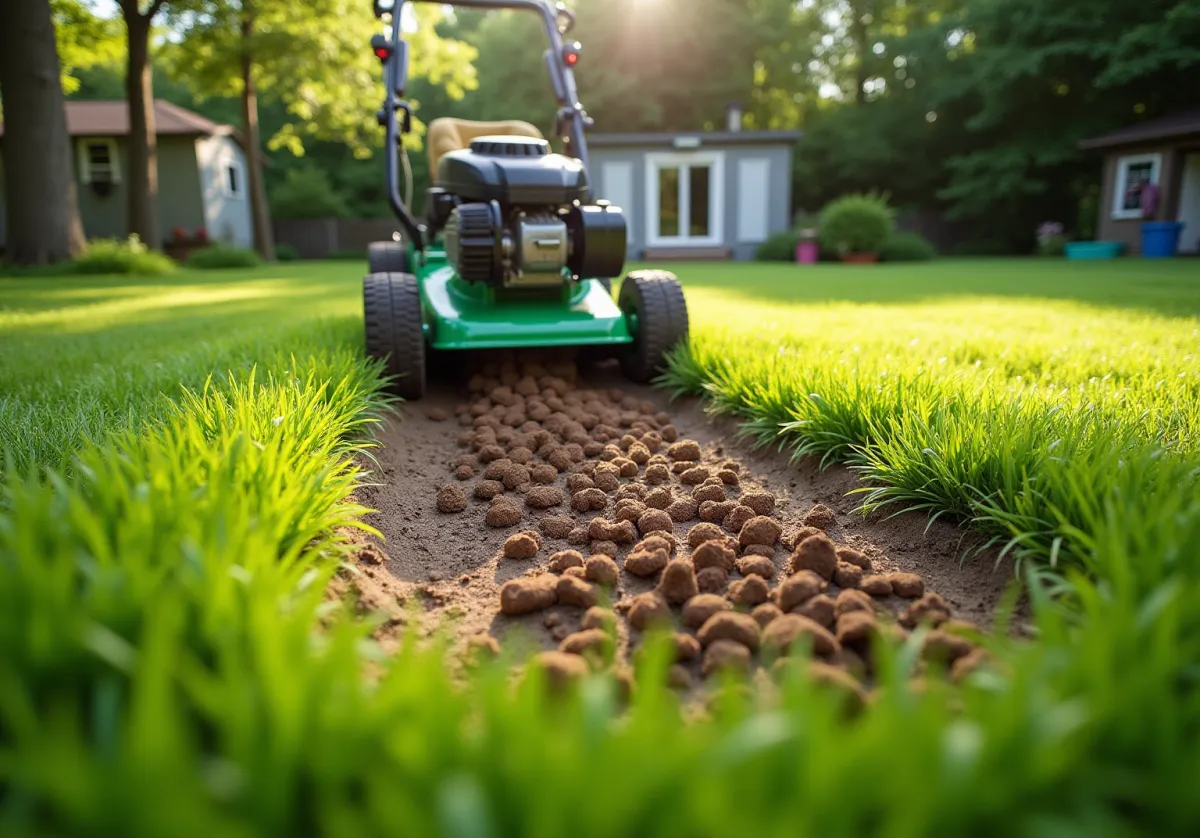
Revitalize Your Lawn: Choosing the Right Aerator Rental
A lush, vibrant green lawn isn't just a dream; it's an achievable reality with the right care. Among the most crucial steps in maintaining a healthy lawn, one often overlooked by homeowners is aeration. Lawn aeration is the process of perforating the soil with small holes to allow air, water, and nutrients to penetrate the grass roots more effectively. This simple yet powerful treatment can transform a struggling yard into a thriving oasis. While purchasing an aerator can be a significant investment,
aerator rental offers a cost-effective and convenient solution, providing access to professional-grade equipment without the hefty price tag or storage concerns. Understanding the benefits of aeration and knowing how to choose the right aerator for your specific lawn needs is the first step towards a revitalized yard.
Why Your Lawn Needs Aeration: The Foundation for a Thriving Yard
Over time, daily foot traffic, mowing, and even rainfall can lead to soil compaction. When soil becomes compacted, it significantly reduces the space available for air and water movement, essentially suffocating your grass roots. This compaction makes it harder for essential nutrients to reach the roots, leading to a thin, unhealthy lawn that is more susceptible to disease, pests, and drought.
The benefits of regular lawn aeration are profound:
- Improved Air Circulation: Allows vital oxygen to reach the grass roots, promoting stronger growth.
- Enhanced Water Penetration: Water can more easily soak into the soil instead of running off, leading to more efficient hydration. This is particularly beneficial for drought-prone areas or during dry spells.
- Better Nutrient Absorption: Fertilizers and other soil treatments can penetrate deeper, ensuring your grass roots receive the nourishment they need.
- Stronger Root Development: Loosened soil encourages roots to grow deeper and more robust, making the lawn more resilient.
- Reduced Puddling and Runoff: Aeration helps improve drainage, preventing unsightly puddles and reducing the amount of water wasted as runoff.
- Thatch Breakdown: Helps to break down organic matter that accumulates on the soil surface, known as thatch, which can otherwise block air and water.
For these reasons, aeration is not just a cosmetic treatment but a fundamental practice for promoting a truly healthy and resilient lawn. Incorporating it into your annual lawn care routine, especially in the spring or fall, can make a dramatic difference.
Navigating Your Aerator Rental Options: Finding the Perfect Fit
When you decide to rent an aerator, you'll discover a variety of models designed to tackle different lawn sizes and soil conditions. Rental companies typically offer several types, each with its own advantages. Choosing the right one depends largely on your lawn's specifics and your personal preference for operation.
Core Aerators vs. Spike Aerators
Before diving into operational styles, it's crucial to understand the two main types of aerators based on how they treat the soil:
- Core Aerators (Pluggers): These machines use hollow tines to physically remove small plugs (cores) of soil from your lawn. This is generally considered the most effective method for relieving soil compaction, as it creates channels for air, water, and nutrients while also helping to de-thatch. The removed soil plugs break down over time, returning beneficial microorganisms to the lawn. Most professional-grade rental aerators are core aerators.
- Spike Aerators: These machines simply push solid spikes into the ground, poking holes without removing any soil. While easier to operate and often less expensive to rent, spike aerators can actually worsen compaction around the edges of the holes. They are generally less effective for serious compaction issues but can be useful for light aeration or for preparing soil for overseeding if compaction isn't a major concern. For optimal results in tackling compaction, a core aerator is almost always the superior choice.
Operational Styles of Core Aerators
Once you've decided on a core aerator, you'll typically find several operational styles available for
aerator rental:
-
Walk-Behind Aerators:
These are the most common rental option for homeowners and small to medium-sized lawns.
-
Manual Walk-Behind: Operated by pushing, these are typically smaller and lighter. They require significant effort but are good for very small, accessible areas.
-
Self-Propelled Walk-Behind: Featuring an engine (like a Honda engine) and often hydrostatic drive, these machines propel themselves forward, greatly reducing the physical effort required. Models like the 18" Classen Aerator or the 19” Bluebird Aerator are popular choices. They are ideal for lawns up to an acre, offering a good balance of maneuverability and coverage. With working widths typically ranging from 17-25 inches and adjustable coring depths (often up to 3 inches), they can aerate thousands of square feet per hour (e.g., 23,000 sq ft/hr for an 18" Classen).
-
Ride-On Aerators:
For larger properties (over an acre) or for professionals, ride-on aerators offer maximum efficiency and comfort. A 30” Stiner Ride-On Aerator, for example, is gas-powered, can aerate up to 4 inches deep, and may even have a seeder width of 30 inches, allowing you to combine aeration with overseeding. These machines drastically cut down on labor and time. To explore the pros and cons in more detail, you can compare aerator rentals: ride-on vs. walk-behind for a greener lawn.
-
Tow-Behind Aerators:
Often spike aerators, these wide units (e.g., 48 inches) can be pulled behind a lawn tractor, ATV, or other suitable vehicle. They require additional weights (which you may need to provide) to ensure proper soil penetration. While they cover large areas quickly, remember their limitation if they are spike aerators regarding serious compaction. They are best suited for very large, relatively flat areas.
Key Factors to Consider When Renting an Aerator
To ensure you select the best
aerator rental for your needs, keep the following factors in mind:
- Lawn Size: This is perhaps the most critical factor.
- Small to Medium (up to 1/2 acre): A self-propelled walk-behind aerator is usually sufficient and manageable.
- Medium to Large (1/2 to 1 acre): A more powerful self-propelled walk-behind or a smaller ride-on model might be ideal.
- Very Large (over 1 acre): A ride-on aerator is highly recommended to save time and effort. Tow-behind options can also work if the terrain is suitable and you have the right vehicle.
- Soil Type and Condition: If your soil is heavily compacted or contains a lot of clay, a powerful core aerator with adjustable depth settings (e.g., up to 3-4 inches) will be more effective. If the ground is very hard, it's essential to water your lawn thoroughly a day or two before aerating. Some aerators, like specific walk-behind models, perform best on soft ground.
- Terrain: If your lawn has slopes, tight corners, or numerous obstacles (trees, garden beds), a more maneuverable walk-behind or self-propelled unit will be easier to handle than a large ride-on or tow-behind.
- Rental Duration: Rental companies offer flexible durations, from 4 hours to a month. For most homeowners with average-sized lawns, a 4-hour or daily rental is usually sufficient. Consider a full-day or weekend rental if your lawn is large or if you plan to combine aeration with other tasks like overseeding. Always inquire about specific rental durations and pricing.
- Delivery Options: Check if the rental provider offers delivery and pickup services. This can be a huge convenience, especially for heavier or bulkier machines. Be aware of potential delivery charges, which are often calculated based on distance (e.g., $50 each way within a certain county, or calculated based on address for other locations).
- Cost-Effectiveness and Eco-Friendliness: Renting an aerator is an eco-friendly choice as it promotes sustainable lawn care without the need for additional manufacturing and disposal associated with purchasing. It's also significantly more cost-effective than hiring a professional service for every aeration, giving you control over your lawn care budget.
Maximizing Your Aeration Results: Tips for Success
To get the most out of your
aerator rental and achieve that dream lawn:
- Timing is Everything: The best times to aerate are during your lawn's active growing seasons, when it can most quickly recover and fill in the holes. This is typically in the early fall (late August to October) or spring (April to May). Avoid aerating during periods of extreme heat or drought.
- Prepare Your Lawn:
- Water Thoroughly: Water your lawn generously 1-2 days before aerating. The soil should be moist, but not waterlogged. This helps the aerator tines penetrate more easily and deeply.
- Mow Your Lawn: Mow your lawn to its regular height before aerating to make it easier to see and operate the machine.
- Mark Obstacles: Clearly mark any sprinkler heads, shallow utility lines, or buried invisible fences to avoid damage.
- Make Multiple Passes: For heavily compacted areas or cool-season grasses, consider making two passes over the lawn – one vertical and one horizontal – to ensure thorough coverage.
- Don't Remove the Plugs: Leave the soil plugs on the lawn. They will naturally break down within a week or two, returning beneficial organic matter and microorganisms to the soil.
- Overseed and Fertilize: Aeration creates ideal conditions for overseeding and fertilizing. Spreading grass seed and fertilizer immediately after aerating allows these vital elements direct access to the soil and roots, significantly improving germination and growth.
- Safety First: Always read the aerator's operating manual before use. Wear appropriate safety gear, including sturdy closed-toe shoes and eye protection. Be mindful of fuel handling for gas-powered units.
Conclusion
Choosing the right
aerator rental is a critical step towards achieving a healthy, vibrant lawn. By understanding the benefits of aeration, knowing the different types of aerators available, and considering your specific lawn's characteristics, you can make an informed decision that will pay dividends in the form of lush, greener grass. From self-propelled walk-behind models perfect for homeowners to powerful ride-on units for larger properties, there's an aerator out there to suit every need. Don't let soil compaction stifle your lawn's potential; embrace aeration and watch your yard thrive. Contact your local rental provider today to discuss your options and take the first step towards a truly revitalized lawn.